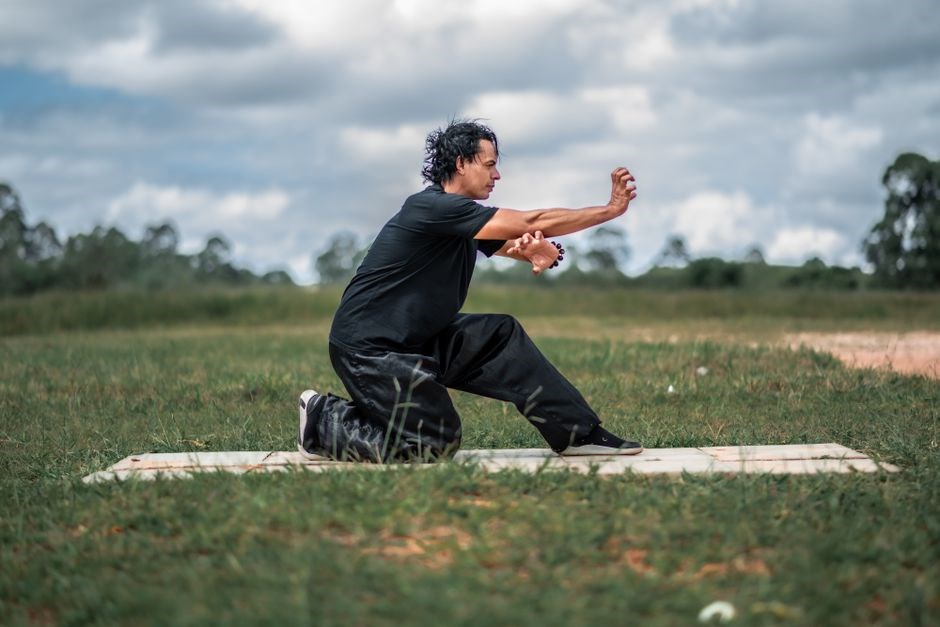
Tao Jeet Kune Do PDFs offer a concise gateway into Bruce Lee’s revolutionary martial philosophy, blending fluidity, economy of motion, and personal expression․ These volumes provide easy study, enabling practitioners a to explore core techniques, training methods, and the art’s evolving spiritnow․
What is Tao Jeet Kune Do?
Tao Jeet Kune Do (TJKD) is a martial‑arts system conceived by Bruce Lee, designed to transcend traditional styles through a philosophy of personal expression, efficiency, and adaptability․ It emphasizes direct, unencumbered movement, the use of the body’s natural biomechanics, and the elimination of unnecessary technique․ TJKD’s core principle is “be water,” encouraging fluidity, responsiveness, and the ability to flow around an opponent’s attacks․ The system incorporates striking, grappling, and weapon techniques, but always filters them through the lens of practicality and personal comfort․ Lee’s writings and training notes—often compiled in PDF format—detail how to train mind, body, and spirit in a holistic, self‑directed manner․ TJKD is not a rigid curriculum; instead, it invites practitioners to study fundamentals, experiment, and ultimately create a unique style that reflects their own strengths and intentions․ The art’s adaptability makes it relevant for self‑defense, competitive sport, and personal development, and its emphasis on simplicity and directness aligns well with modern training philosophies that prioritize functional movement and mental clarity․ A comprehensive PDF guide is essential for mastering Tao Jeet Kune Do, offering step‑by‑step instruction, detailed diagrams, and philosophical insight that together deepen understanding and enable effective practice․ With these resources, students can refine timing, improve reflexes, and cultivate adaptability, ensuring readiness for any confrontation or training scenario․
Relevance of PDFs
PDFs serve as the most accessible medium for disseminating Tao Jeet Kune Do knowledge․ Their lightweight format allows instant download, offline study, and cross‑platform compatibility, making them ideal for busy practitioners․ By preserving original diagrams, footwork sequences, and Bruce Lee’s handwritten notes, PDFs maintain the integrity of the art’s lineage․ The ability to zoom, annotate, and highlight key passages supports deep analysis, enabling students to dissect timing, angles, and energy flow․ Moreover, PDFs can be easily shared within training communities, fostering collaborative learning and peer review․ They also provide a cost‑effective alternative to expensive training manuals, democratizing access to high‑quality instruction․ For instructors, PDFs offer a flexible teaching tool: slides can be integrated into live classes, and digital copies can be distributed to students for review․ The format’s permanence ensures that future generations can study the same material, preserving the art’s evolution․ In a digital age where information is abundant yet fragmented, a well‑structured PDF becomes a reliable reference point, bridging the gap between theory and practice․ Thus, PDFs are not merely files; they are living documents that sustain, propagate, and evolve Tao Jeet Kune Do worldwide․ By integrating these PDFs into daily training, practitioners can systematically refine technique, track progress, and share insights, ensuring the art’s principles remain vibrant and accessible for future generations worldwide!!!
History of Tao Jeet Kune Do
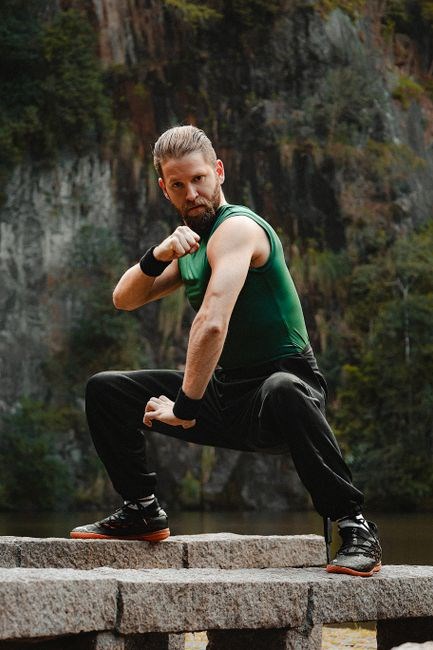
Bruce Lee pioneered Tao Jeet Kune Do in the 1960s, blending Wing Chun, boxing, fencing, and philosophy․ His adaptable style evolved through training, teaching, and reflection, influencing generations worldwide․ The art’s legacy endures in modern practice here now
Origins in Bruce Lee’s Philosophy
Bruce Lee’s conception of Tao Jeet Kune Do emerged from a relentless quest to strip away the superfluous and preserve the essential․ Drawing on his mastery of Wing Chun, boxing, fencing, and judo, Lee synthesized a fluid, adaptable system that rejected rigid forms in favor of direct, economical movement․ He believed that true technique must mirror the natural flow of life, a principle he articulated through the concept of “using no way, having no limitation․” This philosophy encouraged practitioners to internalize the essence of each strike, allowing instinct to guide action rather than pre‑planned patterns․ Lee’s writings, such as “The Tao of Jeet Kune Do,” emphasize the importance of personal expression, continuous learning, and the integration of mind, body, and spirit․ By publishing his insights in PDF format, contemporary students can access original notes, training diagrams, and philosophical essays, preserving the authenticity of his legacy while enabling widespread dissemination․ The digital medium also allows for interactive study, annotations, and the sharing of supplemental resources, ensuring that Lee’s revolutionary ideas remain accessible to a global audience․ The PDF format preserves the tactile feel of Lee’s handwritten notes, allowing readers to trace the evolution of his thoughts from early sketches to mature theories․ Moreover, the digital archive fosters a community of scholars who can annotate, translate, and expand upon the original material, ensuring that the spirit of Tao Jeet Kune Do continues to adapt and thrive across cultures and generations․ Such collaborative effort keeps the art alive, inviting new interpretations while honoring Lee’s foundational principles for practitioners worldwide today․
After Bruce Lee’s death, his disciples and students continued to refine Tao Jeet Kune Do, integrating new techniques, scientific research, and cross‑disciplinary insights․ Early adopters preserved Lee’s original manuscripts, while later practitioners expanded the curriculum to include modern biomechanics, neuro‑physiology, and digital training tools․ The advent of the internet and PDF sharing accelerated dissemination, allowing remote scholars to access original notes, video analyses, and annotated commentaries․ Contemporary masters have introduced hybrid systems that blend Tao Jeet Kune Do with contemporary martial arts, such as mixed‑martial‑arts conditioning, grappling, and self‑defence drills․ This evolution reflects a shift from a purely philosophical framework to a practical, evidence‑based approach that values adaptability, resilience, and continuous improvement․ The digital era has also fostered a global community of practitioners who contribute translations, case studies, and experiential reports, ensuring that the art remains dynamic and relevant․ As new technologies emerge, the core principles of simplicity and non‑resistance guide practitioners toward a deeper understanding of movement, intention, and personal expression with reality simulations AI‑driven analytics, The PDF format serves as a living archive preserving both the original spirit of Lee’s vision and the ongoing innovations that keep Tao Jeet Kune Do evolving for future generations․
Key Principles Explained
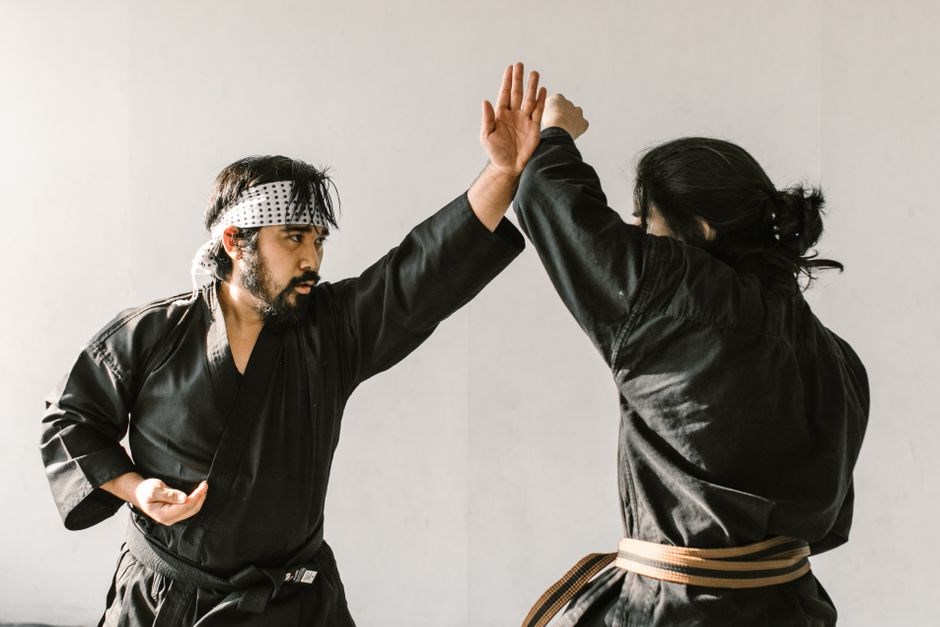
At its core, Tao Jeet Kune Do PDF distills Lee’s mantra: “be water․” It emphasizes direct, efficient movement, eliminating excess․ The art thrives on adaptability, letting practitioners respond instinctively, blending striking, blocking, and counter‑attack in a seamless flow․
It invites change

Directness and Simplicity
In Tao Jeet Kune Do, the principle of directness is paramount․ It demands that every movement, whether a strike, block, or counter, is executed with minimal deviation from the target line․ This focus reduces wasted energy and time, allowing a practitioner to respond instantly to an opponent’s action․ Simplicity complements directness by stripping techniques to their essential components—straight punches, efficient footwork, and clear body mechanics․ The goal is to create a system that is both powerful and easy to learn, ensuring that a student can master the fundamentals quickly and then adapt them to any situation․ By embracing directness and simplicity, a practitioner develops a mindset that values efficiency over complexity, aligning with Bruce Lee’s vision of a martial art that is fluid, adaptable, and free from unnecessary constraints․ This approach not only enhances physical performance but also cultivates mental clarity, enabling the practitioner to remain calm and focused during combat․ The PDF format makes these concepts accessible, allowing readers to study diagrams, step-by-step instructions, and explanatory notes at their own pace, reinforcing the core idea that the best technique is one that is straightforward, effective, and effortlessly applied in real‑world scenarios․ It supports interactive study tools․ Now!!
Non-Resistance
In Tao Jeet Kune Do, non‑resistance is a core tenet that encourages blending with an opponent’s energy rather than opposing it head‑on․ This principle is rooted in the idea that rigid defense creates friction, while yielding allows for smoother redirection of force․ By learning to feel the incoming attack, a practitioner can anticipate movement, adjust stance, and redirect momentum with minimal effort․ The PDF resources illustrate this concept through diagrams that show the flow of energy, footwork that follows natural lines, and striking angles that exploit an opponent’s imbalance․ Practitioners are taught to maintain a relaxed frame, keeping muscles loose enough to absorb impact yet firm enough to deliver precise counter‑actions․ Non‑resistance also extends to mental posture: staying calm, observing, and responding instinctively rather than reacting with pre‑planned patterns․ This fluid mindset transforms combat into a dance of continuous motion, where each movement is a response to the present moment․ The study material emphasizes that true power emerges when one is neither overly defensive nor aggressively offensive, but instead moves in harmony with the opponent’s rhythm․ By mastering non‑resistance, a student gains the ability to adapt instantly, turning an adversary’s strength into an ally for their own technique․ This approach is central to the Tao Jeet Kune Do philosophy, ensuring that every action is purposeful, efficient, and aligned with the natural flow of combat․
Finding Quality PDFs
Seek reputable sources, verify authorship, and check for up‑to‑date content․ Use official websites, reputable martial‑arts forums, and verified academic repositories․ Ensure PDFs are well‑structured, with clear images, accurate citations, and no malware․ and free of DRM․!
Official Sources
When seeking authentic Tao Jeet Kune Do PDFs, the first stop is the official Bruce Lee Foundation website, which hosts a curated library of instructional material, including rare lecture transcripts, training manuals, and video scripts․ These documents are vetted by the foundation’s editorial board and reflect Lee’s original intent․ Another primary outlet is the International Bruce Lee Museum, whose digital archives provide scanned copies of early handbooks and correspondence that illuminate the evolution of the art․ For those interested in contemporary interpretations, the official Tao Jeet Kune Do Association offers downloadable resources from certified instructors, complete with commentary on technique application․ Additionally, the Bruce Lee Cultural Center publishes annual newsletters and research papers in PDF format, offering insights into the philosophical underpinnings of the style․ All these official channels maintain strict copyright compliance, ensuring that users receive legitimate, high‑quality material without infringing intellectual property rights․ By accessing PDFs through these trusted platforms, practitioners can be confident that the information is accurate, up‑to‑date, and aligned with the core principles established by Bruce Lee himself․ These resources are regularly updated to reflect new research, training methodologies practitioner feedback, ensuring that students have access to the most current, evidence‑based guidance available in martial arts study․ All․
Community Shared Resources
Beyond official channels, the Tao Jeet Kune Do community thrives on knowledge․ Online forums such as the TJKD Forum and the Bruce Lee Discussion Group host PDFs, ranging from training logs to lesson plans․ These documents often contain practical drills, analysis, and insights that enrich a practitioner’s learning curve․ Social media platforms like Facebook and Reddit feature groups where members upload scanned copies of books, lecture notes, and workshop handouts, sometimes accompanied by commentary or translation notes․ Many martial arts schools maintain internal repositories, accessible to students via secure portals, where instructors upload class‑specific PDFs that outline curriculum progressions and technique variations․ Additionally, open‑source repositories on GitHub and Archive․org occasionally host digitized collections of early TJKD literature, preserved by enthusiasts committed to keeping the art’s history alive․ While these resources are invaluable for self‑study, users should verify authenticity and respect copyright constraints, ensuring that shared PDFs do not infringe on the original authors’ rights․ By engaging with these community‑curated materials, practitioners can broaden their perspective, discover diverse training philosophies, and contribute their findings back to the collective knowledge base․!!
Legal Considerations
Tao Jeet Kune Do PDFs offer a concise gateway into Bruce Lee’s revolutionary martial philosophy, blending fluidity, economy of motion, and personal expression․ These volumes provide easy study, enabling practitioners a to explore core techniques, training methods, and the art’s evolving spiritnow․ today․ Now․
Copyright Laws
When dealing with Tao Jeet Kune Do PDFs, it is essential that the original works—books, instructional videos, and lecture notes—are protected by copyright law․ The rights holders, often the Lee family or licensed distributors, hold exclusive control over reproduction, distribution, and public performance․ Unauthorized copying or sharing of these materials can lead to civil liability, including statutory damages and injunctions․ Even if the content is freely available online, it does not automatically become public domain; the location of the file does not negate the copyright status․ The duration of protection typically lasts the life of the author plus 70 years, after which the work enters the public domain․ For Bruce Lee’s works, many remain under protection, and the Lee family actively monitors and enforces their rights․ When using PDFs for study, it is advisable to obtain them from reputable sources that have secured proper licensing agreements․ This ensures compliance with the law and supports the continued development of the art․ Additionally, the U․S․ Copyright Office provides guidelines for fair use, which may apply to short excerpts used for criticism, commentary, or education․ However, fair use is determined on a case‑by‑case basis, considering factors such as purpose, nature, amount, and effect on the market․ Practitioners should consult legal counsel or the licensing body before distributing or modifying PDFs․ By respecting these legal frameworks, students and instructors can share knowledge responsibly while safeguarding the intellectual property that underpins Tao Jeet Kune Do’s legacy․ These documents must be handled responsibly․ Source share responsibly․
Fair Use in Martial Arts Study
In the realm of martial arts scholarship, the doctrine of fair use offers a pragmatic pathway for students and instructors to engage with Tao Jeet Kune Do PDFs without infringing on copyright․ The U․S․ Copyright Act delineates four factors that courts weigh when determining whether a particular use is permissible․ First, the purpose and character of the use: educational, non‑commercial, and transformative uses—such as quoting short passages for critique, analysis, or instruction—are more likely to be deemed fair․ Second, the nature of the copyrighted work: factual or instructional materials, like technical manuals, receive a lower threshold for protection․ Third, the amount and substantiality of the portion used: a brief excerpt that does not constitute the heart is preferable, while large sections or the most representative material may tip the balance toward infringement․ Fourth, the effect on the potential market: if the excerpt does not replace the original or harm its commercial value, the use is more defensible․ Now Practical application of these principles means that a student may highlight a single technique diagram, annotate a paragraph, or embed a short clip in a lecture, provided the overall use is limited and clearly serves educational purpose․ When in doubt, obtaining permission or using materials licensed for educational use is the safest route․ By adhering to these guidelines, practitioners can responsibly deepen their understanding of Tao Jeet Kune Do while respecting the intellectual property rights of the original creators․
Using PDFs Effectively
Mastering Tao Jeet Kune Do through digital PDFs demands a strategic approach that blends disciplined study with interactive tools․ Begin by selecting a high‑resolution copy that preserves the original diagrams and annotations; a blurry image can obscure subtle footwork cues․ Once the file is open, use the built‑in search function to locate key terms—such as “chain punch,” “pivot,” or “non‑resistance”—and bookmark those pages for quick reference․ Many PDF readers allow you to add sticky notes; write concise observations or questions directly beside the technique, turning passive reading into an active dialogue․ For deeper retention, export the highlighted sections to a separate document and pair them with video demonstrations; watching a practitioner execute the same movement while reading the text reinforces muscle memory․ If you’re preparing for a class or workshop, create a slide deck that interleaves PDF screenshots with your own commentary․ This not only clarifies complex concepts for your audience but also forces you to distill the material into its core principles․ Finally, keep a study log: record the date, the technique reviewed, and any insights gained․ Reviewing this log periodically reveals patterns in your learning curve and highlights areas that need further practice․ By treating the PDF as a living study partner rather than a static reference, you unlock the full pedagogical potential of Tao Jeet Kune Do literature․ Such a systematic approach ensures each PDF becomes a training companion, guiding progress․!!!