Navigating boxing glove sizes can be tricky! This guide simplifies the process, ensuring proper hand protection and performance․
Understanding weight (oz) and fit is crucial for safety and effective training․
Why Proper Glove Size Matters
Selecting the correct boxing glove size isn’t merely about comfort; it’s fundamentally linked to safety and performance․ Gloves that are too small restrict hand movement, increasing the risk of fractures and strain during training or sparring․ Conversely, oversized gloves diminish dexterity and can compromise your technique, hindering effective punching power and accuracy․
Properly sized gloves provide adequate cushioning, protecting your hands, wrists, and the bones within․ They also safeguard your sparring partner, minimizing the impact of your strikes․ A good fit allows for secure fist formation, promoting proper alignment and reducing the likelihood of injury․ Prioritizing correct sizing is an investment in your long-term boxing health and skill development․
Understanding Glove Weight (oz)
Boxing glove weight is measured in ounces (oz) and indicates the amount of padding within the glove, not necessarily its physical size․ Heavier gloves offer greater protection for both the wearer and their opponent, absorbing more impact force․ Common weights range from 8oz to 16oz, with selection often dictated by weight class and training purpose․
Lighter gloves (8-10oz) are typically used for competition by lighter weight fighters, while 12oz gloves are standard for amateur sparring and bag work for many․ 14-16oz gloves provide maximum protection and are recommended for heavier individuals or intense sparring sessions․ Choosing the appropriate weight is crucial for mitigating injury risk and optimizing training effectiveness․
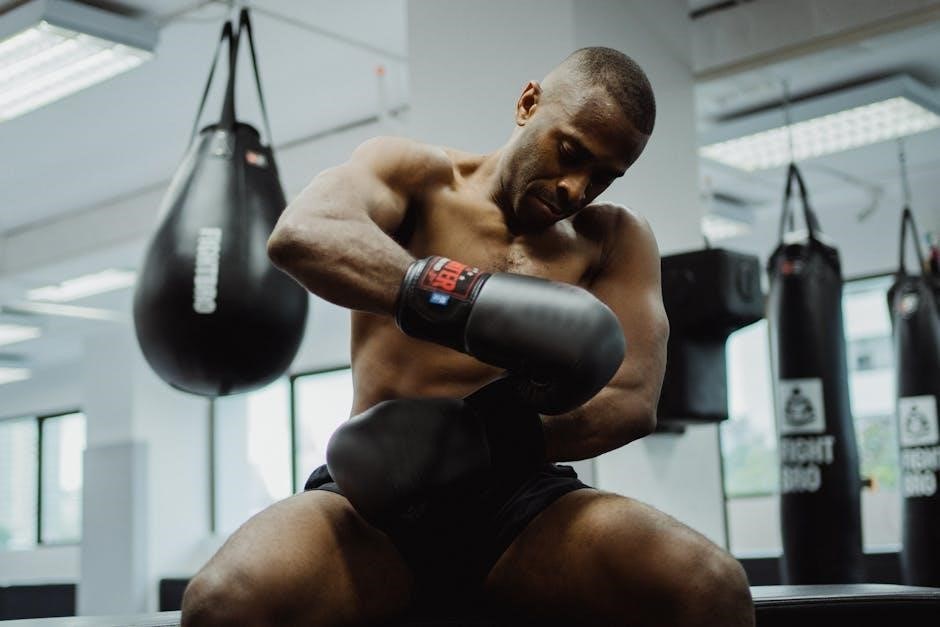
Determining Your Hand Size
Accurate hand measurement is key to finding the right boxing glove fit․ Circumference, not hand length, dictates glove size․ Proper fit enhances comfort and protection․
Measuring Your Hand Circumference
To accurately measure your hand circumference, you’ll need a flexible measuring tape․ Begin by placing the tape around the widest part of your hand, including your knuckles, but excluding your thumb․ Ensure the tape is snug, but not overly tight – you want a comfortable, accurate reading․
Record this measurement in inches․ It’s helpful to have someone assist you to ensure the tape remains level and provides a precise measurement․ Repeat the process a couple of times to confirm consistency․ This circumference measurement is the foundation for determining your ideal boxing glove size, so accuracy is paramount for optimal protection and performance during training or competition․
Converting Circumference to Glove Size
Once you have your hand circumference, converting it to the appropriate glove size is straightforward․ Generally, a circumference of up to 8 inches corresponds to a glove size of 12oz․ Between 8 and 9 inches suggests 14oz gloves, while 9 to 10 inches typically requires 16oz․
For circumferences exceeding 10 inches, consider 18oz or even 20oz gloves for adequate protection․ Remember these are general guidelines; individual preferences and hand shape can influence the best fit․ Always prioritize comfort and full hand coverage when selecting your boxing gloves․ Consider hand wraps, as they add bulk and impact the fit․
Boxing Glove Size Chart by Weight Class
Glove size varies significantly by weight class and experience level—from youth to professional․ Charts offer a quick reference for selecting appropriate protection․
Youth Boxing Glove Sizes
Selecting gloves for young boxers requires careful consideration of their developing hands and wrists․ Typically, youth gloves range from 8oz to 12oz, depending on the child’s weight and age․ Smaller hands generally benefit from lighter-weight gloves, offering greater dexterity and comfort during training․
It’s crucial to avoid gloves that are too large, as this can hinder technique and control․ A snug, but not restrictive, fit is ideal․ Prioritize gloves with ample padding to protect delicate joints․ As the child grows, regularly reassess the glove size to ensure continued safety and optimal performance․ Remember to always pair gloves with appropriate hand wraps!
Amateur Boxing Glove Sizes
Amateur boxing regulations often dictate specific glove weights based on a boxer’s weight class․ Generally, amateur boxers utilize gloves ranging from 10oz to 14oz․ Lighter boxers (under 147lbs) typically use 10-12oz gloves, while heavier competitors (147lbs and above) often employ 12-14oz gloves․
These heavier gloves prioritize safety, providing increased padding to minimize the impact of punches during sparring and competition․ It’s essential to adhere to the governing body’s rules regarding glove weight to ensure fair play and protect athletes․ Proper fit, combined with hand wraps, remains paramount for comfort and injury prevention․
Professional Boxing Glove Sizes
Professional boxing generally mandates the use of 10oz gloves for most weight classes․ This standardized weight allows for a balance between offensive capability and fighter safety․ While 10oz is standard, some commissions may permit slightly different weights depending on the specific bout and fighter agreement․
Professional gloves often feature a different construction than amateur gloves, prioritizing knuckle protection and a more compact feel․ Experienced boxers understand the importance of a snug fit, utilizing hand wraps to enhance support and prevent injuries․ Consistent glove weight ensures a level playing field and fair competition․
Glove Size Recommendations by Discipline
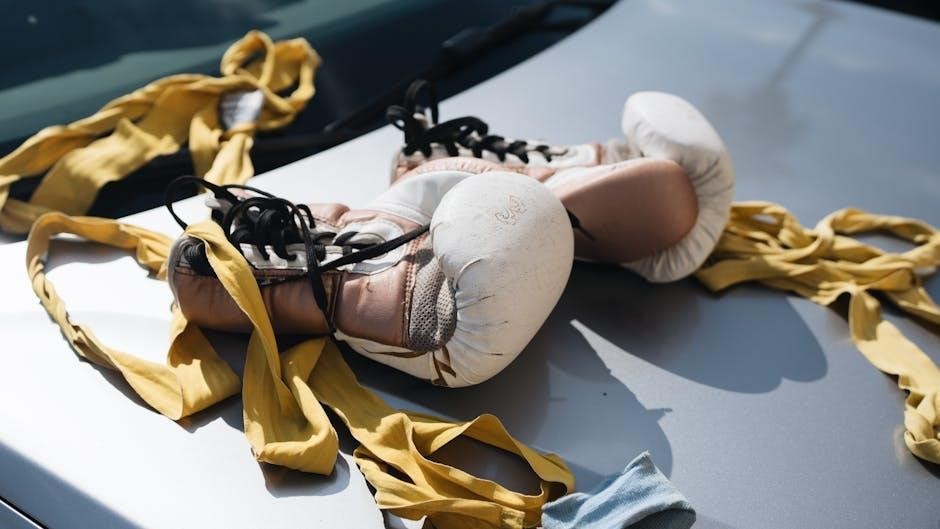
Different combat sports require varied glove sizes․ Boxing prioritizes knuckle protection, while kickboxing and Muay Thai need more wrist support, influencing optimal glove weight selection;
Boxing Specific Glove Sizes
For pure boxing, glove size often correlates with experience and weight class․ Beginners typically start with 12-16oz gloves for ample padding during learning․ Intermediate boxers often gravitate towards 14-16oz for sparring and consistent bag work․
Competitive boxers adhere to weight-class regulations, commonly using 8-10oz gloves for matches, prioritizing feel and speed․ However, even professionals utilize heavier gloves (16oz+) during intense training to build endurance and minimize injury risk․ Choosing the right boxing glove size is paramount for protecting your hands, wrists, and your sparring partner․
Kickboxing & Muay Thai Glove Sizes
Kickboxing and Muay Thai demand gloves differing from traditional boxing gloves․ These disciplines utilize kicks, knees, and elbows, requiring more substantial padding for both the wearer and their opponent․ Typically, 12-16oz gloves are standard for training, offering increased protection to the hands and shins during impact․
For sparring, 16oz gloves are highly recommended to mitigate injury․ Competition sizes vary, often ranging from 10-12oz, depending on the organization’s rules․ The broader, more open-fingered design of Muay Thai gloves facilitates clinching and grappling, a key element of the art․
Sparring vs․ Bag Work Glove Sizes
Glove size selection hinges on the training activity․ Bag work prioritizes hand protection and power transfer, often utilizing 12-16oz gloves․ These sizes provide adequate cushioning for repeated impacts against a stationary heavy bag, minimizing hand strain and injury risk․ However, sparring demands significantly more protection for both participants․
For sparring, 16oz or even 18oz gloves are strongly recommended․ The increased padding substantially reduces the force of impact, lessening the chance of concussions and other injuries; Prioritizing safety during live sparring is paramount, making larger gloves a necessity, not a preference․
Factors Affecting Glove Fit
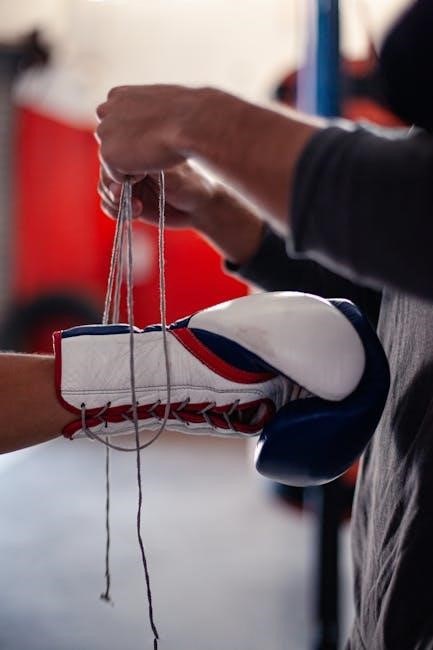
Optimal fit isn’t solely about size! Hand variations, wrap usage (adding bulk), and glove padding/construction all influence how gloves feel and perform during training․
Hand Size Variations
Individual hand anatomy significantly impacts glove fit․ Even within the same hand circumference measurement, variations in hand shape – width, palm length, and finger size – exist․ Some have broader palms, requiring a wider glove, while others have longer fingers needing extra room․
It’s crucial to remember that a glove size chart provides a general guideline, not a guaranteed perfect fit․ Consider your hand’s unique characteristics․ If you’re between sizes, it’s often recommended to try both to determine which offers better comfort and protection․ Don’t solely rely on circumference; feel is paramount!
Wrap Usage and its Impact
Hand wraps are essential for boxing, significantly affecting glove fit․ Wraps add bulk to your hands, increasing their effective size․ Therefore, when selecting gloves, always account for wrap usage․ A snug fit without wraps might become overly tight and restrictive with wraps․
Generally, adding wraps can necessitate going up a glove size, particularly if you prefer thicker or longer wraps․ Experiment with your wraps during the fitting process to ensure optimal comfort and protection․ Properly applied wraps provide crucial wrist support and knuckle padding, enhancing safety and performance․
Glove Padding and Construction
Padding type dramatically influences fit․ Gloves utilize various padding materials – foam, gel, or a combination․ Denser padding provides superior protection but can create a tighter fit․ Conversely, softer padding offers more comfort but less impact absorption․ Construction also matters; layered padding distributes force better than single-layer designs․
Different constructions affect the overall glove volume․ Consider the padding’s thickness and density when choosing a size․ A glove with thicker padding might require a half-size increase․ Examining the stitching and overall build quality ensures durability and consistent padding distribution, impacting both comfort and protection during training․

Common Glove Size Mistakes to Avoid
Incorrect sizing hinders performance and safety․ Avoid gloves too small, restricting movement and causing injury, or too large, reducing control and protection․
Choosing Gloves That Are Too Small
Selecting boxing gloves that are too small presents significant risks․ A snug fit initially might seem appealing, but it severely restricts hand movement during training and sparring․ This limitation compromises your ability to form proper fists, hindering technique and power development․ More critically, insufficient padding increases the likelihood of hand, wrist, and knuckle injuries from repeated impact․
The pressure within a too-small glove also reduces blood circulation, leading to discomfort, fatigue, and potentially long-term hand problems․ Hand wraps can offer some mitigation, but they cannot fully compensate for a fundamentally incorrect glove size․ Prioritize comfort and adequate protection over a falsely perceived “secure” fit․
Choosing Gloves That Are Too Large
Opting for boxing gloves that are excessively large can be equally detrimental․ While seemingly offering more protection, oversized gloves diminish dexterity and control․ This lack of precision impacts punching technique, making it harder to land clean shots and effectively defend yourself․ The extra bulk also increases fatigue, as more energy is required to move your hands quickly․
Furthermore, a loose fit compromises wrist support, increasing the risk of sprains or strains․ Gloves that are too big can slip during impact, reducing the effectiveness of the padding and potentially leading to injury․ Proper fit is about balance – sufficient protection without sacrificing control or stability․
Popular Boxing Glove Brands and Their Sizing
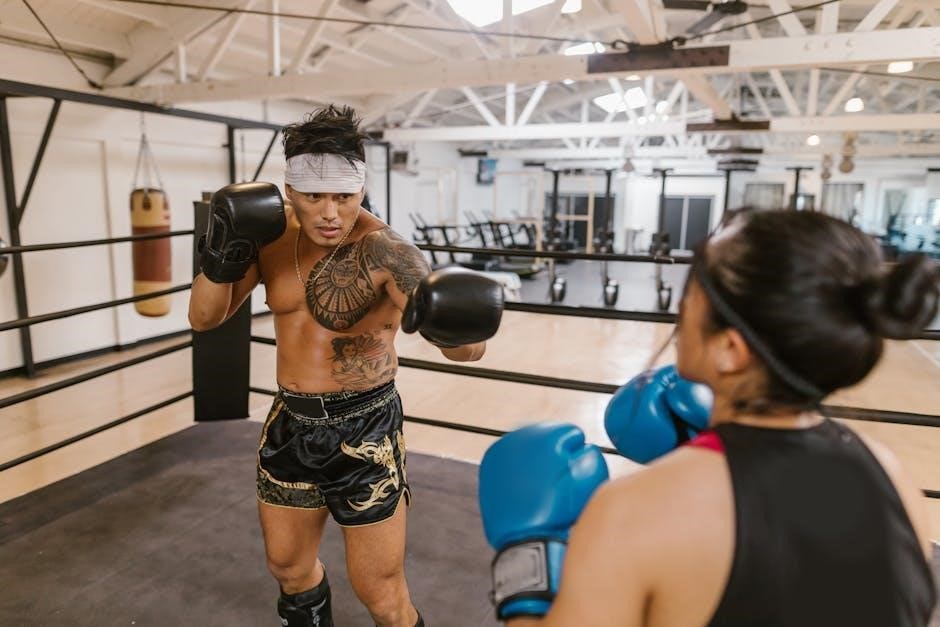
Everlast, Title, and Rival are leading brands, but sizing can vary slightly․ Always consult each brand’s specific chart for the best fit and protection․
Everlast Glove Sizing
Everlast, a historically prominent brand, generally follows standard boxing glove sizing, but nuances exist․ Their gloves often run slightly smaller compared to some competitors, so considering a half-size up is frequently recommended, especially for those with larger hands or planning to use thicker hand wraps․
For beginners, an 12-14oz Everlast glove is a good starting point for bag and pad work․ Sparring typically requires 16oz gloves for enhanced protection․ Always refer to Everlast’s official size chart, which correlates hand circumference to glove size, and prioritize a snug, yet comfortable fit․
Remember that consistent wrap usage will impact the overall fit, so factor that into your selection process;
Title Boxing Glove Sizing
Title Boxing is known for producing high-quality gloves with a generally true-to-size fit․ However, like all brands, slight variations can occur depending on the specific glove model and construction․ It’s advisable to consult Title’s detailed sizing chart, which considers hand circumference measurements for accurate selection․
For general training, Title recommends 12-16oz gloves, with heavier weights favored for sparring to maximize safety․ Their gloves often feature generous padding, so a very tight fit isn’t necessary․
Consider your hand wrap thickness when determining size; thicker wraps will require a slightly larger glove․ Prioritize comfort and ensure full range of motion within the glove․
Rival Boxing Glove Sizing
Rival Boxing gloves are often noted for their anatomical fit and premium construction․ Their sizing tends to run slightly smaller compared to some other brands, so many users recommend sizing up, particularly if you have larger hands or prefer a more comfortable fit with hand wraps․
Rival provides a comprehensive sizing guide based on hand circumference, emphasizing the importance of accurate measurement․ For sparring, Rival typically suggests 14-16oz gloves, while 12oz are suitable for bag work and pad sessions․
Always account for hand wrap bulk when selecting your size to avoid constriction and ensure optimal performance․

Where to Buy Boxing Gloves
Boxing gloves are readily available online through retailers like Amazon and Title Boxing, or at local sporting goods stores for a personalized fitting experience․
Online Retailers
Numerous online retailers offer a vast selection of boxing gloves, providing convenience and competitive pricing․ Amazon stands out with its extensive inventory and customer reviews, allowing informed decisions․ Title Boxing’s website is a dedicated resource, showcasing their complete product line and detailed specifications․
Rival Boxing also maintains a strong online presence, offering high-quality gloves directly to consumers․
When purchasing online, carefully review size charts and consider reading customer feedback regarding fit․ Many retailers offer detailed product descriptions and images․ Be mindful of shipping costs and return policies, ensuring a hassle-free experience if adjustments are needed․ Online calculators can also assist in determining the appropriate glove size based on your hand measurements․
Local Sporting Goods Stores
Visiting local sporting goods stores provides a valuable opportunity for a hands-on fitting experience․ Stores like Dick’s Sporting Goods often carry a range of boxing gloves from various brands, allowing you to try on different sizes and assess the comfort and fit firsthand․ Expert staff can offer personalized recommendations based on your hand size, weight class, and training discipline․
The benefit of in-person shopping is the ability to test glove feel with hand wraps already applied, simulating actual training conditions․ You can also evaluate the padding and construction quality more effectively․ Don’t hesitate to ask questions and seek guidance from knowledgeable sales associates to ensure you select the optimal gloves for your needs․
Caring for Your Boxing Gloves
Proper glove care extends their lifespan and maintains hygiene․ Regularly clean with a damp cloth, dry thoroughly, and store in a cool, ventilated space․
Cleaning and Drying
Maintaining cleanliness is vital for boxing glove longevity and hygiene․ After each use, wipe down the exterior with a slightly damp cloth, focusing on areas absorbing sweat․ For deeper cleaning, use a specialized glove cleaner or a mild soap solution – avoid harsh chemicals!
Drying is crucial; never store gloves while wet․ Stuff them with newspaper or absorbent cloths to draw out moisture, changing them frequently․ Ensure complete air drying in a well-ventilated area, away from direct sunlight or heat sources․ Proper drying prevents mildew and odor buildup, preserving your gloves for countless rounds․
Storage Recommendations
Proper storage significantly extends the life of your boxing gloves; Always store them in a cool, dry, and well-ventilated space, away from direct sunlight and extreme temperatures․ Avoid tossing them loosely in a bag; this can damage the padding․
Utilize a glove bag or hang them upright to maintain their shape․ Consider using glove dogs or forms to absorb moisture and prevent compression․ Regularly airing out your gloves is also beneficial․ Consistent, thoughtful storage prevents deterioration, ensuring they remain ready for your next training session or bout․