
Welcome to Holland Poem: A Comprehensive Guide
This guide delves into Emily Perl Kingsley’s impactful poem, exploring its origins, message, and enduring resonance with parents navigating unique journeys.
We’ll examine readily available PDF versions and online resources for easy access to this poignant piece of literature.
Discover how the poem has fostered connection and support within communities facing similar experiences, offering solace and understanding.
Origins and Author
Emily Perl Kingsley, a writer and performer associated with Sesame Street, penned “Welcome to Holland” around 1987. Kingsley’s inspiration stemmed from deeply personal experience – raising her son, Jason, who was born with Down syndrome. The poem wasn’t initially intended for widespread publication; rather, it originated as a heartfelt message to fellow parents within a support group.
Kingsley sought to articulate the complex emotions accompanying a child’s disability diagnosis. She aimed to convey the shift in expectations and the process of embracing a new, unanticipated reality. The poem’s initial circulation occurred through mimeographed copies shared amongst parents, quickly gaining traction for its raw honesty and relatable imagery.
Notably, Jason Kingsley himself became a trailblazer, appearing on Sesame Street at just 15 months old, breaking barriers for representation of individuals with disabilities in mainstream media. The poem’s enduring legacy is intertwined with both Kingsley’s authorship and her son’s inspiring life.
Emily Perl Kingsley: The Poet Behind the Metaphor
Emily Perl Kingsley’s background as a writer and her connection to the world of Sesame Street profoundly shaped her creative voice. She wasn’t simply crafting a poem; she was translating a deeply felt emotional experience into accessible language. Kingsley’s work often focused on themes of acceptance, understanding, and celebrating differences, mirroring the inclusive spirit of the children’s program.
The “Welcome to Holland” metaphor wasn’t a calculated literary device but a genuine expression of her own journey. She experienced the disappointment of altered plans, but also discovered unexpected beauty and fulfillment in a different landscape. Kingsley’s ability to articulate this duality resonated powerfully with others.
Her intention wasn’t to diminish the grief of unmet expectations, but to offer a pathway toward acceptance and appreciation. Kingsley’s poem continues to be shared as a source of comfort and validation for parents worldwide, demonstrating the enduring power of her empathetic words.

The Poem’s Initial Context: Supporting Parents of Children with Disabilities
“Welcome to Holland” emerged from Kingsley’s personal experience raising her son, Jason, who was born with Down syndrome. She penned the poem to offer solace and understanding to fellow parents navigating the complexities of raising children with disabilities. It wasn’t intended for widespread publication, but rather as a heartfelt message within a support network.
The poem’s initial circulation was primarily through parent groups and counseling sessions. Kingsley shared it as a way to validate the feelings of grief, disappointment, and ultimately, acceptance that often accompany a diagnosis. The metaphor of Holland provided a relatable framework for processing these emotions.
The poem’s power lay in its ability to normalize the experience of altered expectations and highlight the unique joys found in unexpected paths. It offered a sense of community and reminded parents that they weren’t alone in their journey, fostering resilience and hope.
Understanding the Poem’s Core Message
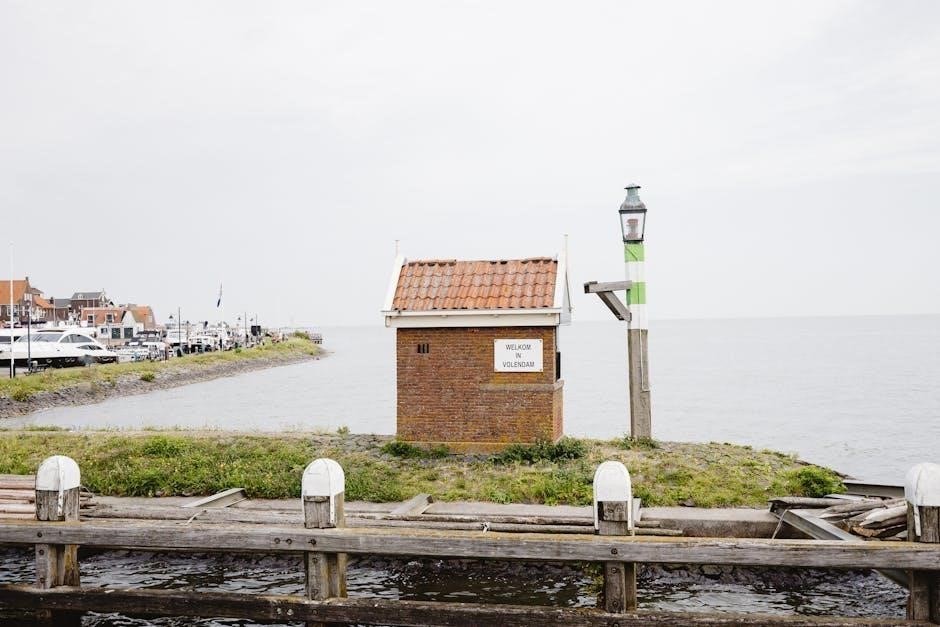
The poem beautifully illustrates the shift from grieving an unfulfilled dream (Italy) to embracing the unexpected beauty and richness of a different journey (Holland).
The Disappointment of Unmet Expectations
The initial verses of Kingsley’s poem powerfully capture the profound disappointment experienced when life diverges from carefully laid plans. Parents often meticulously prepare for a “trip to Italy”—representing the expectation of a typically developing child—investing in guidebooks (preconceived notions) and crafting detailed itineraries (future hopes).
The sudden announcement of a disability feels like landing in “Holland” instead, a place utterly unprepared for, lacking the familiar resources and understanding. This unexpected shift evokes feelings of grief, loss, and a sense of being adrift. The poem doesn’t minimize this initial pain; it acknowledges the validity of mourning the envisioned future.
This initial shock and sadness are universal experiences for parents receiving a diagnosis, and the poem’s strength lies in its honest portrayal of these complex emotions. It validates the feeling of being unprepared and the struggle to reconcile expectations with reality, setting the stage for eventual acceptance.
The Shift in Perspective: Accepting a New Reality
Following the initial disappointment, the poem guides readers toward a crucial shift in perspective—embracing the beauty and unique opportunities presented by “Holland”. Kingsley emphasizes that while it’s not the planned destination, Holland possesses its own distinct charm and rewards.
The poem suggests learning the language, discovering new routes, and appreciating the unexpected gifts of this unfamiliar land. This symbolizes adapting to the child’s needs, celebrating their strengths, and finding joy in the journey, even if it’s different from the original vision.
The realization that “Holland wasn’t so bad” signifies a profound acceptance and a newfound appreciation for the present reality. It’s about reframing expectations, finding community, and recognizing the inherent worth and potential within the child, fostering a sense of hope and resilience.
Holland as a Metaphor for Disability
The poem ingeniously employs Holland as a powerful metaphor for disability, representing an unexpected life experience that diverges from initial expectations. Italy symbolizes the envisioned “normal” life, meticulously planned and anticipated, while Holland embodies the reality of raising a child with special needs.
This isn’t a lesser place, but simply different—requiring adaptation, learning, and a revised understanding of what fulfillment looks like. The journey to Holland necessitates new guidebooks, different routes, and a willingness to embrace the unfamiliar.
Kingsley’s metaphor beautifully illustrates the emotional journey of parents, acknowledging the grief of lost expectations while simultaneously highlighting the potential for joy, growth, and a uniquely rewarding experience in “Holland”.

The Poem’s Impact and Reception

The poem’s profound message deeply resonates with parents, offering validation and a shared understanding of their experiences, readily available as a PDF.
Resonance with Parents: Why the Poem Connects
The “Welcome to Holland” poem’s enduring power lies in its ability to articulate the complex emotions experienced by parents when a child receives a disability diagnosis.
Many parents initially envision a future – “Italy” – filled with specific expectations and plans, meticulously crafted with guidebooks and itineraries. The diagnosis feels like landing in “Holland” – a different, unexpected place.
The poem validates the grief and disappointment of unmet expectations, acknowledging the natural sense of loss.
However, it also gently guides parents toward acceptance and the discovery of beauty and joy in this new landscape. The readily available PDF format allows for easy sharing and repeated reading, reinforcing this message.
Parents find solace in knowing they are not alone, and the poem fosters a sense of community and shared experience. It’s a powerful reminder to embrace the unexpected and find wonder in the journey, even when it deviates from the original plan.
Use in Support Groups and Counseling
The “Welcome to Holland” poem has become a cornerstone resource within support groups and counseling sessions for parents of children with disabilities.
Its accessible language and relatable metaphor facilitate open discussions about grief, acceptance, and the challenges of adjusting to a new reality.
Counselors often utilize the poem as a starting point for exploring parental emotions and developing coping strategies.
The poem’s widespread availability as a PDF document makes it easily integrated into therapeutic materials and shared amongst group members.
It provides a common language for expressing complex feelings, fostering empathy and understanding within the group dynamic. Furthermore, the poem encourages parents to reframe their perspectives and focus on the unique gifts and joys their children bring. It’s a powerful tool for promoting resilience and fostering a sense of hope.
The Poem’s Spread Through Online Communities (Reddit, Forums)
The “Welcome to Holland” poem experienced significant dissemination through online platforms, particularly Reddit and various parenting forums.
Communities like r/Autism_Parenting actively share and discuss the poem, offering a space for parents to connect and find solace in its message.
The ease of sharing PDF versions and links facilitated its rapid spread, reaching a wider audience than traditional methods allowed.
Online discussions often center around personal interpretations of the poem and how it resonates with individual experiences.
These digital spaces provide a sense of community and validation for parents navigating similar challenges, fostering mutual support and understanding. The poem’s accessibility and emotional impact contribute to its continued popularity within these online networks. It serves as a reminder that they are not alone on their journey.
Analyzing the Poem’s Structure and Language
The poem’s structure utilizes a travel analogy, contrasting planned Italian trips with an unexpected journey to Holland, often shared as a PDF.
The Travel Analogy: Italy vs. Holland
The core of Kingsley’s poem rests upon a powerful travel analogy, vividly contrasting the anticipated journey to Italy with the unexpected arrival in Holland. Italy represents the envisioned, “typical” experience – meticulously planned with guidebooks and itineraries, embodying the expectations parents hold for their children’s development.
Holland, conversely, symbolizes the reality of raising a child with a disability, a destination not initially chosen but one that demands adaptation and acceptance. The poem emphasizes that while Holland wasn’t the planned destination, it possesses its own unique beauty and rewards.
Many readily share the poem as a PDF, allowing for easy dissemination and reflection. This shift in perspective – from disappointment over the “lost” Italy to embracing the unexpected gifts of Holland – is central to the poem’s message. It’s a call to re-evaluate expectations and discover joy in the present reality.
Symbolism of Guidebooks and Planned Itineraries
Within the “Welcome to Holland” poem, guidebooks and meticulously planned itineraries serve as potent symbols of parental expectations and the desire for control. These represent the carefully constructed vision of a child’s future, filled with anticipated milestones and achievements. Parents invest time and energy, much like preparing for a trip to Italy, believing they have a clear roadmap ahead.
However, the poem illustrates how a disability diagnosis disrupts this carefully laid plan, rendering the guidebooks obsolete. The shift to Holland signifies a departure from the expected path, requiring parents to abandon their preconceived notions and embrace uncertainty.
Accessing the poem as a PDF can aid in understanding these symbolic layers. The poem isn’t dismissing the initial grief, but rather urging a re-evaluation of what truly matters – finding joy and fulfillment in the unexpected journey.
The Tone: From Disappointment to Acceptance
The “Welcome to Holland” poem masterfully navigates a complex emotional landscape, transitioning from initial disappointment to eventual acceptance. The opening verses reflect the natural grief associated with unmet expectations, acknowledging the pain of a disrupted dream. This isn’t presented as a negative emotion, but a valid and understandable response to a significant life change.
However, the poem’s tone gradually shifts, emphasizing the beauty and richness that can be found in the “new land” of Holland. It encourages parents to open their eyes to the unique gifts and opportunities presented by their child’s disability.
Reading the poem, readily available as a PDF, allows for repeated engagement with this emotional arc. It’s a reminder that acceptance isn’t about abandoning hope, but about redefining it and embracing the journey with newfound perspective.

Finding and Accessing the “Welcome to Holland” Poem
Numerous online resources offer the poem as a PDF, ensuring easy access. Studocu and various support websites host downloadable versions for convenient sharing and reading.
PDF Availability and Online Resources
Locating a PDF version of Emily Perl Kingsley’s “Welcome to Holland” poem is remarkably straightforward, thanks to its widespread circulation and enduring impact. Several websites dedicated to disability support and parenting resources readily offer downloadable copies.
Studocu, a platform for academic materials, hosts a version of the poem, making it accessible to students and those seeking a quick reference. Beyond dedicated websites, a simple online search for “Welcome to Holland poem PDF” yields numerous results from various blogs, support groups, and personal websites.
These PDF files allow for easy printing, sharing with others, and offline reading. Furthermore, many organizations supporting families with disabilities include the poem in their resource packets, often available for download on their websites. The poem’s accessibility in PDF format ensures its message of acceptance and adaptation continues to reach those who need it most.
Print Versions and Collections
While readily available as a PDF, “Welcome to Holland” also exists in various print formats, extending its reach beyond digital platforms. The poem is frequently included in collections of inspirational writings and poetry focused on parenting, disability, and acceptance.
Support groups and counseling centers often provide printed copies to parents navigating a new diagnosis or challenging circumstances. These tangible versions offer a comforting and accessible resource, allowing for repeated readings and personal reflection.
Though a dedicated, commercially published book solely featuring the poem is uncommon, it appears in anthologies alongside other relevant works. Individuals have also created personalized print versions, incorporating the poem into handmade cards or framed artwork. The poem’s enduring message ensures its continued presence in both formal collections and heartfelt, personal expressions of support.
Sharing the Poem with Others
The “Welcome to Holland” poem’s power lies in its ability to resonate deeply, making it a natural inclination to share with those who might benefit from its message. Easily disseminated as a PDF, it’s perfect for emailing to friends, posting in online support groups, or providing to professionals working with families.
Consider sharing it with newly diagnosed parents, offering a sense of understanding and validation during a challenging time. It can also be a valuable resource for educators, therapists, and anyone seeking to foster empathy and acceptance.
Online communities, like the Autism Parenting subreddit, actively share the poem as a source of comfort and connection. Remember to share responsibly, respecting individual privacy and offering support alongside the poem itself. Its simple yet profound message continues to spread, offering hope and perspective to countless individuals.

Beyond the Poem: Resources for Parents
Numerous organizations and online forums offer support, including the Autism Parenting subreddit, alongside accessible PDF versions of the poem.
Organizations Supporting Families with Disabilities
Navigating a child’s disability often necessitates a strong support network, and numerous organizations are dedicated to assisting families. These groups provide resources, advocacy, and a sense of community, mirroring the welcoming spirit found within the “Welcome to Holland” poem.
While a direct organizational focus on the poem itself is rare, many utilize its message to foster understanding and acceptance. Accessing a readily available PDF version of the poem can be a starting point for discussions within these support systems.
Organizations like the National Down Syndrome Society (NDSS) and Autism Speaks offer comprehensive support, information, and advocacy for families. They champion inclusive policies and provide resources to help individuals with disabilities thrive. These resources often extend to emotional support for parents, echoing the poem’s message of adapting to a new reality.
Online Forums and Communities (Autism Parenting Subreddit)
The digital landscape offers invaluable spaces for parents to connect, share experiences, and find support, particularly within the autism community. Platforms like the Autism Parenting Subreddit on Reddit (r/Autism_Parenting) provide a forum for open discussion and mutual encouragement.
Often, the “Welcome to Holland” poem resurfaces within these communities, resonating deeply with parents navigating the challenges and joys of raising children on the spectrum. Sharing a PDF version of the poem can spark meaningful conversations and a sense of shared understanding.
These online spaces allow parents to exchange practical advice, emotional support, and resources, fostering a sense of belonging. The Subreddit, with its 85K+ subscribers, exemplifies this, offering a safe haven for parents to connect and learn from one another’s journeys, mirroring the poem’s theme of acceptance.
Stories of Success and Adaptation: Jason Kingsley’s Example
Emily Perl Kingsley’s personal experience profoundly shaped the “Welcome to Holland” poem, stemming from her son Jason’s birth with Down syndrome. Jason’s story is a testament to the poem’s message of embracing a different, yet equally beautiful, reality.
Remarkably, Jason became one of the first actors with disabilities featured on mainstream television, appearing on Sesame Street at just 15 months old. This achievement challenged societal norms and demonstrated the potential within individuals with disabilities.
Sharing a PDF of Kingsley’s poem alongside Jason’s story offers a powerful narrative of adaptation and success. It illustrates that while the journey may differ from initial expectations, it can be filled with joy, accomplishment, and a unique richness, embodying the spirit of finding beauty in “Holland.”